Local PPC in the UK: How to Target Customers in [City/Region]
Local PPC helps UK SMEs reach nearby customers at the moment they are ready to buy. By targeting real local intent, writing location-relevant ads and using strong local landing pages, businesses can reduce wasted spend and generate higher-quality leads from paid media.

Cariston Sheppard
Published on
January 15, 2026
Last updated on
January 15, 2026
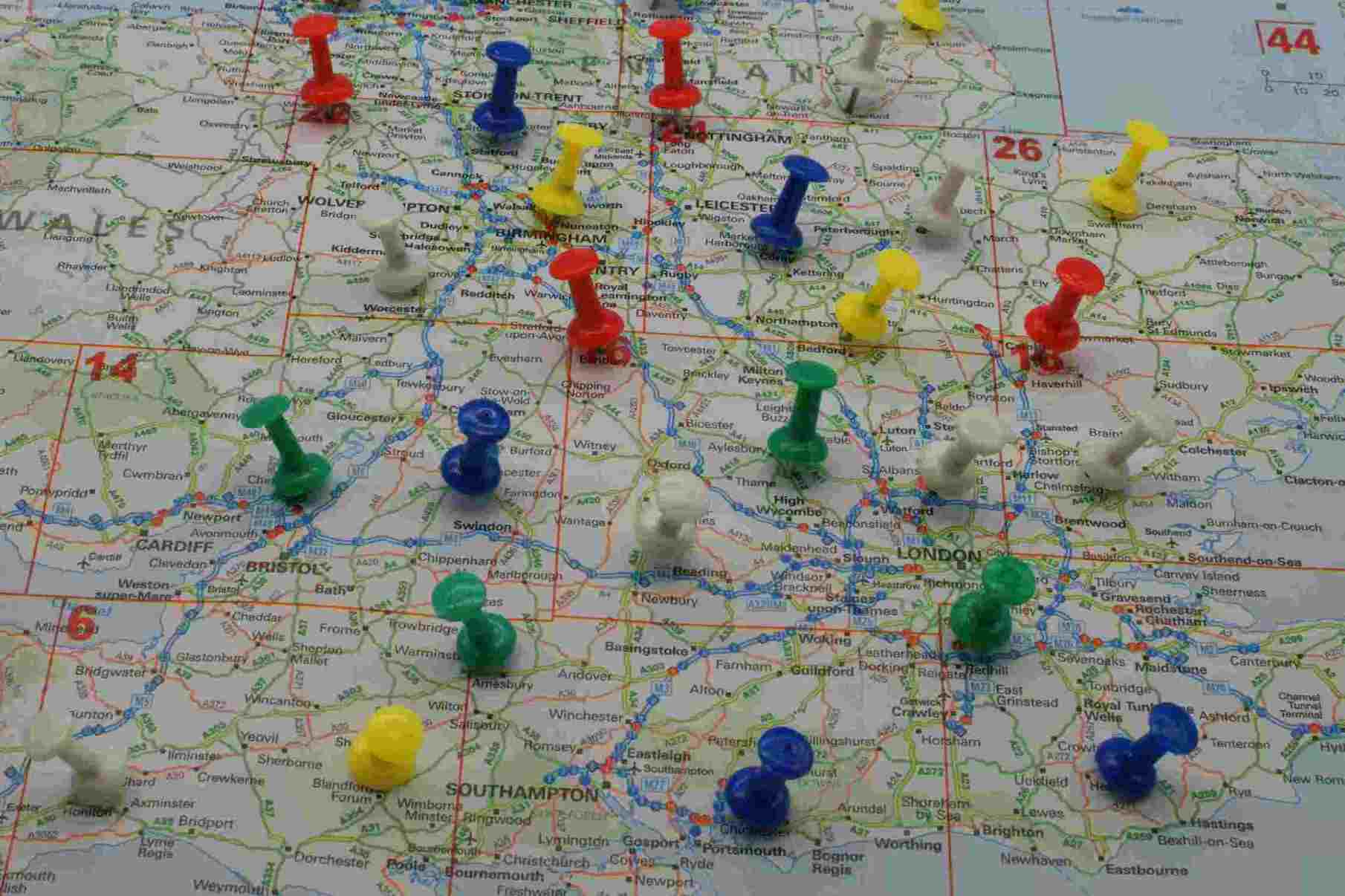
For many UK SMEs, growth doesn’t come from reaching everyone, it comes from reaching the right people in the right place. Local PPC (pay-per-click) advertising is one of the most effective ways to do exactly that. When executed properly, it allows businesses to appear at the precise moment nearby customers are actively searching for their services.
However, local PPC is also one of the most commonly misunderstood areas of paid media. Too often, campaigns are either set too broadly (wasting budget) or too narrowly (restricting scale), with little understanding of how local intent actually works in Google Ads and paid media platforms.
We look to build effective local PPC campaigns in the UK, using [City/Region] as a practical example and how to avoid the mistakes that undermine performance.
What Makes Local PPC Different From National Campaigns?
Local PPC is not simply “Google Ads with a postcode attached”. It relies on understanding how users express local intent and how platforms interpret location signals.
In the UK, local search behaviour often combines service-based keywords with implicit or explicit geographic intent. Searches like “emergency plumber near me”, “commercial electrician Manchester”, or even just “IT support” (when searched from a known location) all trigger locally influenced results.
Google confirms that location, device signals, and user behaviour heavily influence which ads are shown for local searches
This means effective local PPC requires a more nuanced approach to targeting, messaging, and landing pages than national campaigns.
Step One: Define Your True Local Service Area
The first strategic decision in any local PPC campaign is defining where you actually want to win business.
Many UK SMEs default to county-wide or national targeting because it “feels safer”. In reality, this often inflates cost per click and dilutes lead quality. Conversely, overly tight radius targeting can restrict volume unnecessarily.
For businesses targeting [City/Region], this means:
- Understanding realistic travel or service boundaries
- Considering commuter patterns, not just postcodes
- Separating core areas from secondary locations
In Google Ads, this is best handled through a combination of location targeting and bid adjustments, rather than a single blunt radius. This level of control is fundamental to effective Google Ads management, particularly for location-dependent businesses.
Step Two: Build Keyword Strategy Around Local Intent
Local PPC keyword strategy should prioritise intent, not just geography.
While “[service] + [city]” keywords are valuable, they are only part of the picture. Many high-intent local searches do not include a place name at all Google infers location based on the user’s context.
For example, a search for “business insurance broker” in Leeds will often return locally relevant ads even without the word “Leeds” being used.
A strong local keyword strategy typically includes:
- Core service keywords without location modifiers
- Explicit location-based keywords for priority areas
- “Near me” and proximity-based variants
- Brand and competitor terms where appropriate
Match types matter here. Broad match can work for local campaigns, but only when supported by strong negative keyword management and high-quality conversion data. This is where many local campaigns lose efficiency.
Step Three: Write Ads That Signal Local Relevance and Trust
Local PPC ads must do more than match keywords; they must reassure users that you are genuinely relevant to their area.
UK users are often sensitive to proximity, availability, and local knowledge. Ads that reference [City/Region], service coverage, or local experience tend to outperform generic alternatives, provided the claims are accurate and compliant.
Location extensions, call extensions, and structured snippets are particularly important for local campaigns, as they increase visibility and credibility within the search results.
When people search locally, they’re looking for reassurance as much as relevance. Ads that clearly signal proximity, familiarity, and credibility consistently outperform generic messaging, especially in service-based UK campaigns.
Step Four: Use Landing Pages That Match Local Expectations
Sending local PPC traffic to generic service pages is one of the biggest missed opportunities we see.
A strong local landing page should:
- Clearly state service availability in [City/Region]
- Address local pain points or regulations where relevant
- Include trust signals such as reviews, case studies, or accreditations
- Make contact details and next steps obvious
For example, a business serving regulated industries may need to reference UK-specific standards or compliance frameworks. According to Think with Google, landing page relevance and clarity have a direct impact on conversion rates, particularly for mobile users
This is where local PPC and Conversion Rate Optimisation work hand in hand. Improving the post-click experience often delivers better returns than increasing the budget.
Step Five: Track Local Conversions Properly (and Ethically)
Local PPC performance is only as good as the data behind it.
From a performance perspective, it’s important to distinguish between:
- Calls from ads vs calls from landing pages
- Enquiries from core service areas vs fringe locations
- High-intent leads vs low-quality enquiries
Feeding clean, meaningful conversion data back into Google Ads allows smart bidding to optimise towards better local outcomes over time not just more clicks.
Common Local PPC Mistakes to Avoid
Across UK local campaigns, the same issues appear repeatedly: relying solely on radius targeting, ignoring search term reports, using national landing pages, and optimising for volume rather than value.
Another frequent misconception is that local PPC should be “cheap”. In competitive UK cities, local clicks can be expensive, but they are often far more commercially valuable when targeted properly.
The most common local PPC mistakes we see come from treating local campaigns like national ones. Ignoring service areas, relying on generic ad copy, or optimising purely for volume usually leads to wasted spend and low-quality enquiries
How Hatch Approaches Local PPC for UK SMEs
At Hatch, local PPC is built around realism, relevance, and customer service.
We take the time to understand where clients actually want to win business, how their customers search locally, and what qualifies a good lead. Campaigns are structured to prioritise high-intent local demand, supported by landing pages and tracking that reflect real-world behaviour.
Our Paid Media services integrate local PPC into a broader growth strategy, ensuring it complements SEO, CRO, and wider marketing activity rather than operating in isolation.
Just as importantly, we work closely with clients to review lead quality and adapt campaigns over time not simply report on surface-level metrics.
Go Big by Staying at Home
Local PPC in the UK is not about shrinking your reach it’s about sharpening it.
When location targeting, intent-driven keywords, credible messaging, and strong landing experiences work together, local PPC becomes one of the most reliable growth channels available to SMEs.
If your local campaigns feel inefficient or inconsistent, a strategic review often reveals where relevance has been lost.
If you’d like a no-obligation audit of your local PPC performance in [City/Region], we’re always happy to have a practical, honest conversation and share insight from our experience.
Hatch - we're here to help.
Get in touch with a member of our team today. Call us on 01172 140703 or email us at hello@hatchdigitalmarketing.com.
You may also like...


On-Page SEO Guide: Best Practices for UK Websites
On-page SEO helps UK businesses align content, structure and user experience with real search intent. By focusing on clarity, usefulness and trust rather than outdated keyword tactics, SMEs can improve visibility, engagement and conversions through pages that work for both users and search engines.
SEO
Local PPC in the UK: How to Target Customers in [City/Region]
Local PPC helps UK SMEs reach nearby customers at the moment they are ready to buy. By targeting real local intent, writing location-relevant ads and using strong local landing pages, businesses can reduce wasted spend and generate higher-quality leads from paid media.
Pay-Per-Click
Join the 50+ UK Businesses That Achieved Record Results
At Hatch, your business isn't just another project; it's a partnership built on trust, expertise, and shared growth.
Start generating results today